
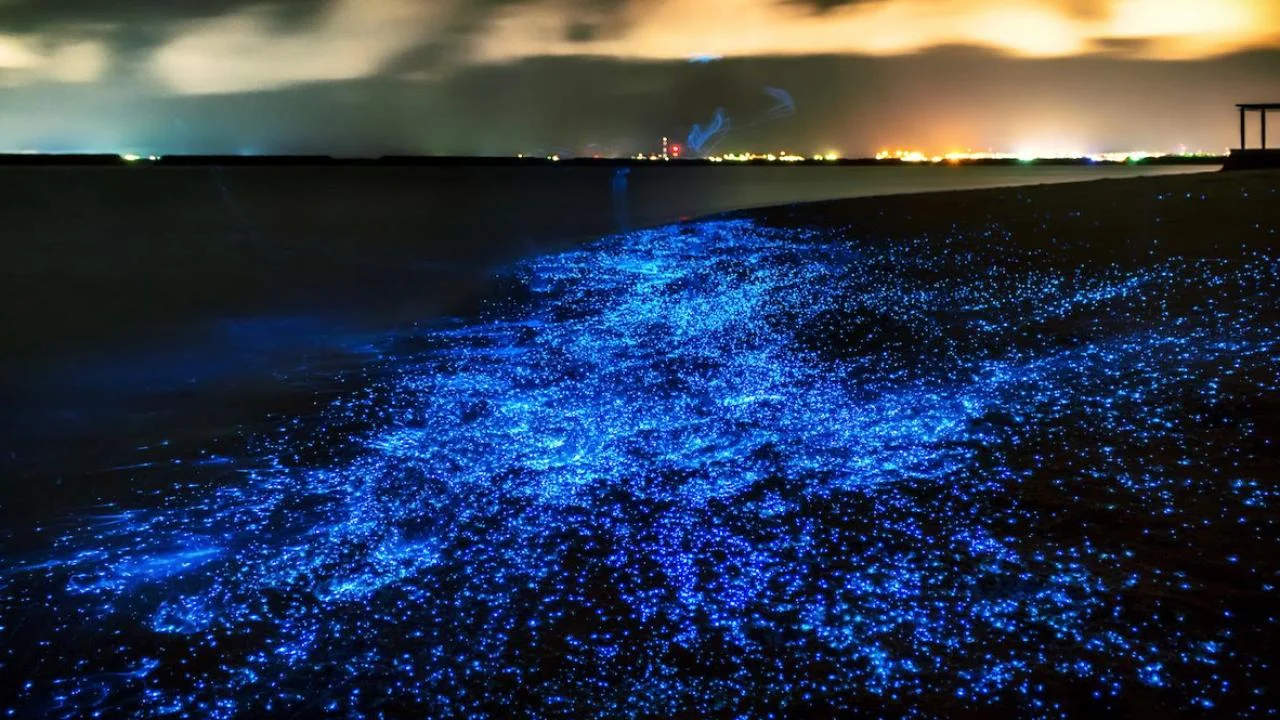
This stunning visual display is usually created by microscopic aquatic organisms referred to as bioluminescent algae. Despite the name, not all glowing ocean organisms are technically algae, and not all algae glow. Those that do, however, contain a remarkable chemical ability: they transform movement or physical stress into bursts of visible light.
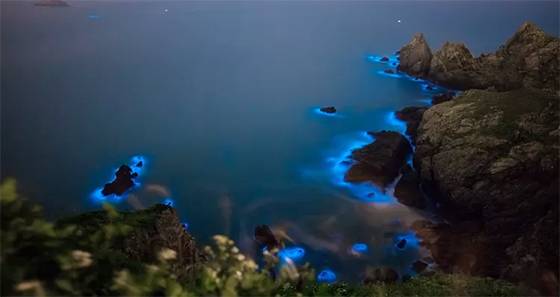
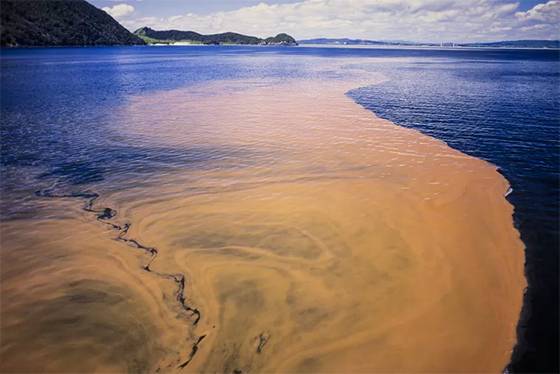
Yet beneath this natural spectacle lies a complicated ecological reality. Many glowing coastal events overlap with algal population surges known as harmful algal blooms (HABs). These blooms can change seawater color and chemistry, disrupt food chains, reduce oxygen in marine habitats, and, in some cases, introduce toxins into fish or shellfish. When these organisms multiply rapidly, the ocean becomes bright—but also biologically imbalanced. This article unpacks what bioluminescent algae are, why they emit light, what accelerates bloom conditions, how toxicity enters the marine food web, and the real health risks people must understand.
Whether you're a marine science student, a curious beachgoer, a conservation advocate, or someone researching glowing plankton events, understanding bioluminescent algae matters. The glow isn’t just beauty. It’s biology—a biochemical language, a defense system, and sometimes a warning signal.
Understanding bioluminescent algae
Bioluminescent algae are light-emitting marine or freshwater microorganisms capable of producing luminescence through biochemical reactions. Unlike reflective light, such as moonlight shimmer or surface phosphorescence caused by mineral or chemical absorption, bioluminescence is self-generated by living cells. This internal light production usually occurs without heat and is triggered by molecular interactions within the organism.
Surface-level glowing oceans are nearly always caused by single-celled marine plankton, especially dinoflagellates. While dinoflagellates are protists and not plants, they perform photosynthesis similarly to algae, which is why they are grouped under the broad colloquial term "bioluminescent algae." These organisms accumulate near coastlines where nutrients are most abundant. When waves churn, swimmers splash, or boats create pressure changes, the cells perceive physical disruption and release light flashes.
Marine bioluminescence typically presents in the blue or teal spectrum. This is because shorter wavelengths travel farther underwater, making blue light more visible in marine environments. In deeper waters, bioluminescence evolved as an adaptive communication trait—assisting organisms with hunting, evasion, warning displays, or mating signals. For dinoflagellates near the surface, luminescence functions largely as a defensive alarm, distracting or deterring predators long enough for the organisms to avoid being consumed.
Chemical triggers behind algal glowing
The light produced by these marine organisms comes from a molecular reaction that begins when luciferin, a light-producing chemical compound, interacts with oxygen. In most glowing plankton species, this reaction is sped up by a protein enzyme known as luciferase. Instead of glowing constantly, dinoflagellates hold this reaction in reserve, like an emergency signal. Movement, vibration, pressure change, or fluid shear stress compress the cell membrane and activate the enzymes.
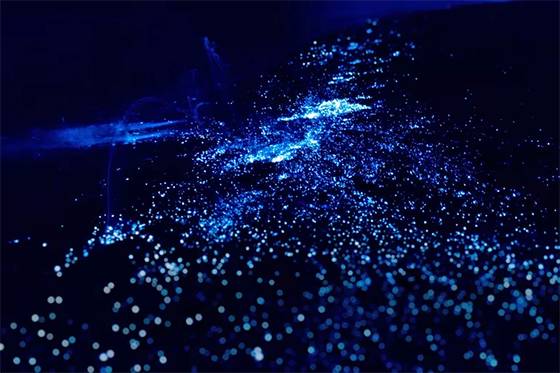
The energy emitted during this reaction is released in the form of photons—the basic visible unit of light. Since this light is chemically produced and not electrically or thermally generated, it does not increase the surrounding water temperature. The intensity of these bioluminescent reactions depends on the total number of light-emitting organisms in the area. When millions or billions of cells cluster into dense patches, the water appears to glow continuously rather than flash intermittently.
In coastal glow events, marine luminescence often combines with unique environmental catalysts such as moon cycles, wave turbulence, wind flow, tidal changes, coastal shape, salinity gradients, and available suspended nutrients. Even mild mechanical disruption can create a large-scale glowing reaction if the population density is high enough.
Why algal blooms form
Algal blooms are not random. They are biological population explosions resulting from ideal environmental conditions. Bioluminescent algal blooms are typically seasonal and heavily influenced by changing nutrient loads in coastal waters. These growth surges are mainly driven by the availability of nitrogen, phosphorus, iron, carbon, and silica—nutrients transported into the sea through upwelling, soil runoff, river outflow, rainfall erosion, and human wastewater discharge.
Warmer sea temperatures are also strongly associated with bioluminescent bloom frequency. When ocean surfaces heat up, water stratifies, meaning warmer water sits above cooler, deeper layers. This prevents nutrients from dispersing downward and concentrates them near the surface where dinoflagellates live. Calm coastal circulation traps organisms in place, accelerating reproduction rates.
Rainstorms further fuel blooms by displacing fertilizers, agricultural nutrients, and decaying plant material from land into the ocean. Coastal construction and dam systems can also alter natural nutrient delivery. For example, dams slow river flow, causing greater nutrient accumulation that eventually flushes into oceans in concentrated form. Once these nutrient-dense plumes reach coastal seawater, phytoplankton populations—including dinoflagellates—reproduce rapidly. What looks like ocean glow is actually a nutrient-fed population surge.
The ecological danger of glowing algal blooms
When bioluminescent organisms multiply out of balance, they can become environmentally disruptive. Harmful algal blooms interfere with the health of marine ecosystems in multiple ways—even before toxicity enters the discussion. The blooms consume nutrients so quickly that other plankton species may die off from resource scarcity. When massive populations decompose after bloom decline, bacteria break the cells down and consume dissolved oxygen in the process, resulting in hypoxic water or low-oxygen "dead zones." These oxygen-starved habitats can suffocate fish, coral, and marine invertebrates.
Marine glowing events are not inherently dangerous when the algal density remains moderate and balanced. The danger begins when the bloom becomes dense or chemically imbalanced. Toxic algal blooms can co-occur with glowing plankton blooms, meaning bioluminescence may act as a flag or visual indicator of algal population stress, even if luminescence and toxicity are not always caused by the same species.
Marine ecosystems destabilize not because algae glow, but because blooms disrupt chemical equilibrium and reduce oxygen, biodiversity, and food availability. The glow is a symptom of biological disturbance, not its cause.
Toxins associated with glowing algal species
Not all glowing plankton species produce toxins, but several bioluminescent bloom-forming protists fall into harmful or potentially harmful categories. Dinoflagellates are well known for releasing ammonia, nitrates, reactive oxygen species (ROS), and, in some species, potent marine neurotoxins. When toxin-producing bloom species multiply, their chemical outputs can disperse through surrounding water, impacting fish gills, shellfish filtration systems, deeper microbial ecosystems, and marine mammal feeding chains.
Toxic algae blooms can build toxins in fish, oysters, mussels, and clams—creatures that filter large volumes of water during feeding. These shellfish and fish act as carriers, concentrating toxins at levels exponentially higher than the background seawater where they originated. When birds, whales, dolphins, or humans consume these organisms, the toxins pass along the food chain.
The best-known algal toxins include compounds that target the nervous system, liver, digestive tract, or respiratory system. Human infections related to bloom toxicity often resemble food poisoning or neurological disorders and depend on the toxin exposure level, the species consumed, or physical contact with affected water.
Human health risks and toxicity symptoms
Toxins from harmful algal blooms reach humans primarily through contaminated seafood or water exposure. Physical contact (swimming or splashing) in bloom-affected regions can lead to dermatitis, eye irritation, or respiratory discomfort in sensitive individuals, especially if toxins aerosolize in sea mist or breakwater foam. However, the most serious health impacts occur when toxic organisms infiltrate the food chain and are consumed.
Common symptoms include nausea, vomiting, abdominal cramping, diarrhea, dizziness, disorientation, numbness in extremities, difficulty focusing vision, weakness, fever-like symptoms, breathing issues, confusion, and disrupted coordination. In severe cases, exposure to concentrated algal neurotoxins can cause paralysis, heart disruption, or respiratory failure.
Because toxicity effects vary based on species exposure, symptom timing and severity can differ. Some toxins cause immediate sickness (within 30 minutes), while liver-impacting toxins may take 24 to 48 hours to present symptoms. HAB toxicity symptoms should always be medically evaluated, especially when linked to recent seafood consumption.
Preventing harmful exposure
Avoid eating wild seafood collected during visible bloom conditions unless verified safe by coastal monitoring agencies. Stay informed through local health alerts, environmental monitoring dashboards, or marine toxicity bulletins, especially before harvesting or consuming shellfish. Those visiting glowing beaches should avoid swimming during dense bloom periods and avoid inhaling sea mist directly where wave action is most intense.
If water contact occurs, rinse skin and hair thoroughly after exposure. If seafood consumption was followed by any sickness, seek medical advice quickly and mention potential algal bloom exposure as a cause.
Monitoring and environmental awareness
Coastal environmental tracking has improved dramatically, but bloom expansion outpaces monitoring capacity in some regions. Increased global sea temperature, nutrient runoff, and coastal stratification mean glowing algal blooms may continue rising in frequency. Paying attention to luminous shorelines is no longer just marine curiosity—it’s an environmental data point. The sea lights up most intensely when its microscopic populations face stress, disturbance, or abnormal nutrient availability.
Understanding the science behind ocean glow brings clarity to the complexity hidden in illuminated waters: bioluminescent algae are brilliant, fascinating, biologically purposeful—and sometimes ecologically or chemically hazardous.






Yorumlar
Kalan Karakter: