

Yet beyond gingerbread cookies and pumpkin spice blends, cloves hold a respected place in traditional medicine systems around the world. For centuries, this potent spice has been valued for its digestive support, antimicrobial properties, and natural pain-relieving effects. Today, modern research continues to confirm what ancient cultures already knew: cloves are a powerhouse of antioxidants and bioactive compounds. Whether you are looking to enhance your cooking, support your immune system, or explore natural remedies, cloves offer an impressive range of benefits that deserve year-round attention.
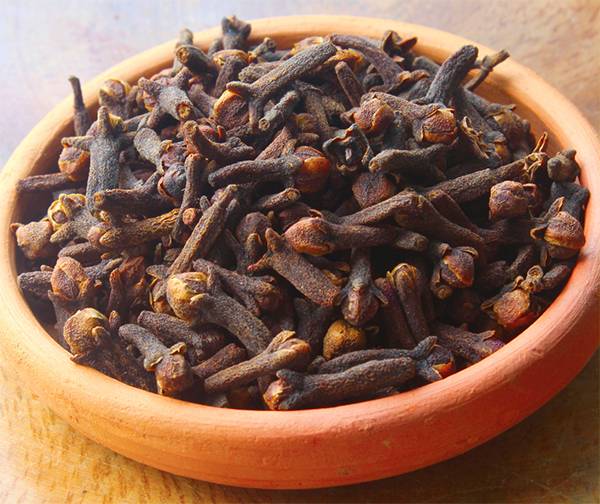
What are cloves
Cloves are the dried flower buds of Syzygium aromaticum, an evergreen tree native to the Maluku Islands of Indonesia, historically known as the Spice Islands. Harvested just before blooming, the buds are dried until they develop their characteristic dark brown color and intense aroma. Cloves contain a high concentration of essential oils, particularly eugenol, which is responsible for many of their health-promoting properties. This spice has been used for thousands of years in culinary traditions, herbal medicine, and even religious rituals, making it one of the most culturally significant spices in the world.
History of cloves in traditional cultures
Cloves were among the earliest spices traded across continents, reaching India as early as 1700 B.C. and Europe by the first century A.D. They were prized not only for flavor but also for their medicinal value and ability to preserve food. In Asian and Indian cuisine, cloves became a key ingredient in spice blends such as garam masala, where they add warmth and depth. Historically, the clove trade also shaped global politics, leading to colonial conflicts and monopolies. Despite this turbulent past, cloves remain an enduring symbol of cultural heritage and natural healing.

Digestive health benefits of cloves
One of the most well-known health benefits of cloves is their ability to support digestion. Cloves act as a natural carminative, helping to reduce gas, bloating, and abdominal discomfort. They stimulate digestive enzymes, which can improve nutrient absorption and ease symptoms such as nausea, belching, and mild diarrhea. In herbal traditions, clove tea is often used to calm an upset stomach and support gut health.
Anti-inflammatory and pain-relieving properties
Cloves contain eugenol, a compound known for its anti-inflammatory and analgesic effects. This makes cloves useful for relieving muscle soreness, joint discomfort, and headaches. When diluted properly, clove essential oil can be applied topically as a natural muscle rub. Cloves have also been traditionally used to soothe toothaches by numbing pain and reducing inflammation in the gums.

Oral health and antibacterial effects
Cloves are widely recognized for their role in oral health. Their antibacterial properties help fight the microbes responsible for bad breath, gum disease, and tooth decay. Chewing a whole clove or using clove-infused products can naturally freshen breath and support healthy gums. Clove oil has also been studied for its ability to inhibit harmful bacteria, making it a common ingredient in natural dental care products.
Antioxidant and immune system support
Rich in antioxidants, cloves help neutralize free radicals that contribute to oxidative stress and premature aging. Regular consumption of antioxidant-rich spices like cloves may support overall immune health and reduce inflammation throughout the body. These properties make cloves a valuable addition to teas, soups, and wellness tonics, especially during cold and flu season.

Antifungal and antiparasitic potential
Cloves have demonstrated antifungal activity, particularly against Candida species. Herbal practitioners often include cloves in protocols designed to balance the microbiome and support internal cleansing. Cloves are also traditionally regarded as antiparasitic, believed to disrupt the protective biofilm of certain parasites, making them easier for the body to eliminate.
Respiratory and cough relief
Cloves can help soothe the respiratory system by relaxing throat muscles and suppressing coughs. A warm clove tea may provide comfort during colds, sore throats, or seasonal respiratory irritation. The warming nature of cloves also helps promote circulation and ease congestion.
Nutritional value of cloves
Although used in small amounts, cloves provide valuable nutrients. They are particularly high in manganese, which supports bone health, hormone production, and antioxidant activity. Cloves also contain magnesium, potassium, calcium, vitamin K, and beta-carotene, contributing to overall nutritional balance when included regularly in the diet.

Creative ways to use cloves daily
Cloves can be incorporated into everyday life in many creative ways. Whole cloves retain their potency longer than ground cloves and can be added to teas, curries, and stews. Infusing cloves in apple cider vinegar creates a versatile tonic that can be used in cooking, beverages, or baths for sore muscles. Cloves can also be infused into olive oil for massage, added to homemade elderberry syrup, or steeped with citrus peels in vinegar to create a natural household cleaner. Even simple practices like chewing a clove for fresh breath or adding cloves to a vacuum bag for a fresh scent highlight their versatility. Cloves are a potent spice, and moderation is key. Large amounts should be avoided during pregnancy, and anyone using cloves medicinally should consult a healthcare provider, especially when taking medications. When used mindfully, cloves offer a remarkable blend of flavor, tradition, and natural health benefits that can enrich daily life well beyond the holiday season.






Yorumlar
Kalan Karakter: