
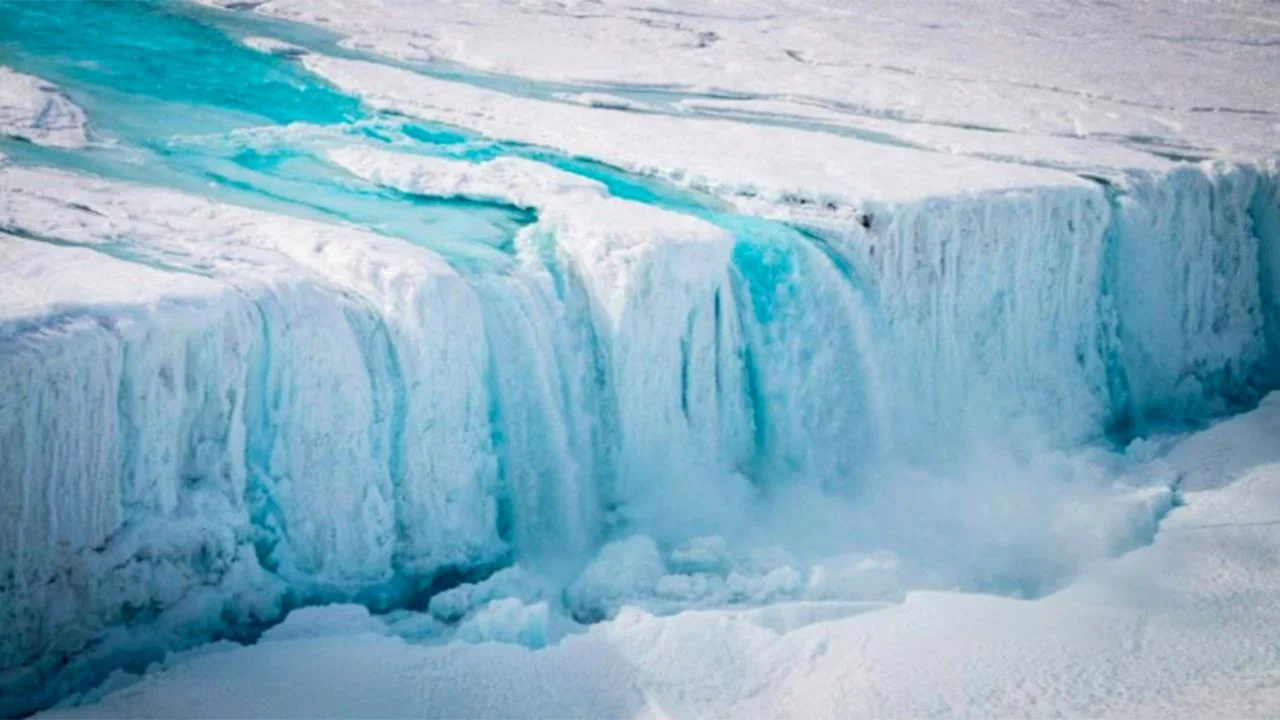
At the 2024 Australian Antarctic Research Conference, nearly 500 polar scientists came together to deliver one of the most urgent climate warnings in modern history. Their message is clear: Antarctica is changing faster than at any point in recorded science, and the consequences of its melting ice reach far beyond the polar regions.
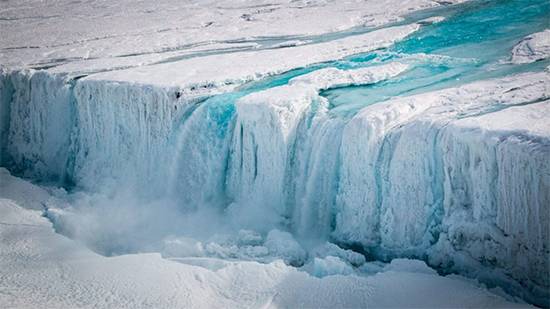
Rising global temperatures, declining sea ice, and destabilizing ice shelves signal a looming threat that could reshape coastlines, economies, and ecosystems around the world. What happens in Antarctica does not stay in Antarctica. The continent acts as a stabilizing force for global sea levels and temperatures, and its rapid deterioration is a warning that humanity can no longer ignore. This article explores what scientists have discovered, why Antarctica’s transformation is so dangerous, and what must be done immediately to avoid irreversible damage.
What scientists discovered about Antarctica’s rapid changes
Researchers at the conference revealed sobering data showing that Antarctica is losing ice at a staggering pace. Satellite imagery, climate models, and long-term field observations confirm that the continent now loses around 17 million tonnes of ice every hour. This rate is nearly six times faster than the ice loss recorded three decades ago.
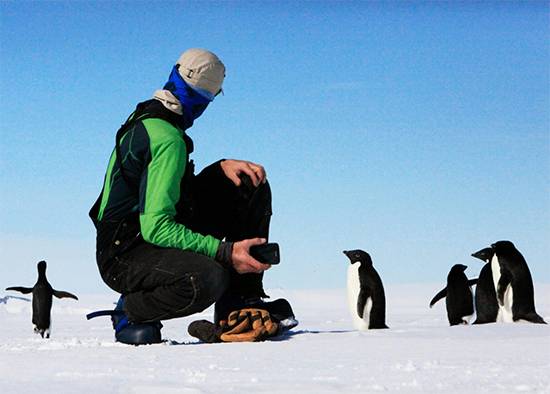
Such acceleration is driven by rising global temperatures, warming oceans, and shifting wind patterns that reduce the formation of protective sea ice. Scientists also highlighted record-low sea ice coverage, unusual heatwaves with temperatures soaring up to 40°C above average, and widespread weakening of ice shelves that once acted as barriers preventing glaciers from flowing into the ocean.
How the melting ice impacts global sea levels
Antarctica holds enough frozen water to raise global sea levels by more than 50 meters if fully melted, and even small losses significantly affect coastal regions. Over the past 30 years, melting Antarctic ice has already contributed to a 10.5-centimeter rise in sea levels. While this may seem modest, experts warn that the pace of rise is accelerating. Projections indicate that by 2100, coastal areas could experience an 80-centimeter increase, threatening major cities, infrastructure, and millions of people. Flooding, erosion, and saltwater intrusion could reshape coastlines, damage homes, and strain economies across the world. These changes highlight why understanding Antarctica’s condition is essential for climate adaptation planning.
Why the Southern Ocean is crucial for global climate stability
The ocean surrounding Antarctica, known as the Southern Ocean, plays a critical role in regulating the planet’s climate. Often described as a “planetary air-conditioner,” it absorbs vast amounts of heat and carbon dioxide from the atmosphere. However, as the ocean warms and its currents shift, this natural cooling system weakens.
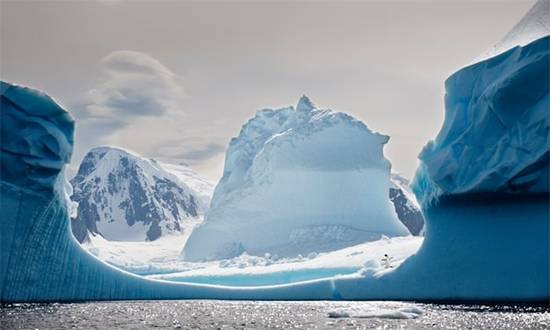
Reduced sea ice affects how water circulates, which may limit the ocean’s ability to absorb carbon in the future. This creates a troubling cycle where warming leads to further warming, amplifying climate challenges worldwide. Scientists caution that protecting the Southern Ocean is just as important as monitoring ice loss.
The danger of crossing climate tipping points
A major theme at the conference was the possibility that Earth is approaching critical tipping points, especially in Antarctica’s ice systems. These tipping points represent moments when natural processes become irreversible. If large Antarctic ice shelves collapse, they could trigger runaway melting, causing sea levels to rise more rapidly than models currently predict. Some researchers believe early signs of these tipping points are already appearing, especially in regions previously considered stable, such as East Antarctica. Once crossed, these thresholds cannot be reversed, making it vital to act before the window of opportunity closes.
What immediate global action is needed
The scientists emphasized that every fraction of a degree of global warming matters. Reducing greenhouse gas emissions remains the most important step. Their recommendations include deep, rapid, and sustained emission cuts across industries, energy systems, and transportation.
Adaptation strategies are also necessary. Coastal regions must prepare for rising sea levels by improving infrastructure, restoring natural barriers, and updating urban planning. However, adaptation alone will not solve the problem. Without addressing the root cause of warming, no amount of preparation can match the scale of future impacts.
Why the world must pay attention now
SAntarctica’s environmental crisis is not a distant or isolated issue. It is unfolding now, and its effects will be felt across the globe. Economic challenges, humanitarian risks, ecosystem disruptions, and geopolitical tensions may intensify as sea levels rise and natural resources shift. The statement from nearly 500 experts serves as a powerful reminder that the choices we make today will determine the stability of tomorrow’s world. Protecting Antarctica means protecting our coastlines, our climate, and future generations.







Yorumlar
Kalan Karakter: