

Once they find a comfortable posture, they stick with it for years without considering whether it could affect their health. Right-side sleeping is one of the most common sleep positions worldwide, and for many individuals, it feels completely natural. However, recent discussions among sleep specialists and healthcare professionals suggest that sleeping on the right side may influence certain bodily functions more than many people realize.
Although right-side sleeping is generally safe for healthy individuals, it may contribute to issues such as acid reflux, shoulder discomfort, and circulation concerns in specific situations. Understanding how gravity interacts with the body's internal organs can help explain why sleep position sometimes matters. If you regularly wake up with heartburn, numbness, or unexplained discomfort, your sleeping habits could be playing a role. Here is a closer look at the potential health effects of sleeping on your right side and when it may be worth considering a change.
Why sleep position affects the body
The human body is not perfectly symmetrical. Internal organs occupy different positions within the chest and abdomen, meaning gravity affects them differently depending on how a person lies down.
The stomach sits slightly toward the left side of the body, while the liver and gallbladder are located on the right. The heart is positioned slightly left of center, and major blood vessels travel through the chest and abdomen in specific pathways. When a person spends several hours lying on one side, these structures experience varying degrees of pressure and positioning.
Because sleep occupies roughly one-third of a person's life, even small differences in body position can have noticeable effects over time.
How right-side sleeping may worsen acid reflux
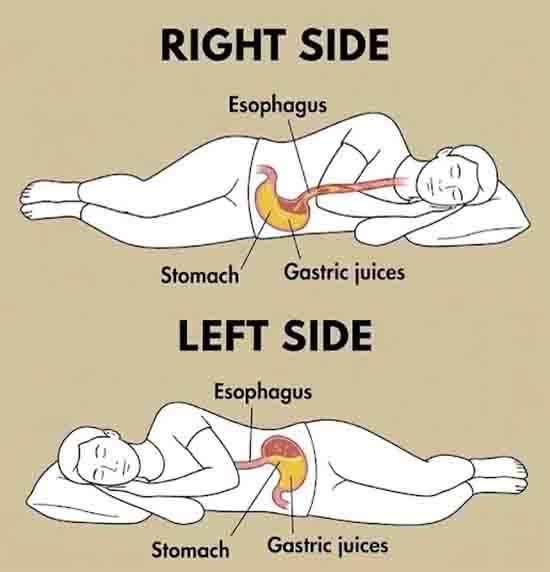
One of the most researched concerns associated with right-side sleeping is acid reflux. Many people who suffer from gastroesophageal reflux disease (GERD) report worsening symptoms when they sleep on their right side.
When lying on the right side, the stomach can be positioned above the junction where the esophagus meets the stomach. This arrangement may allow stomach acid to move more easily toward the esophagus, increasing the likelihood of heartburn during the night.
People who frequently experience nighttime reflux may benefit from experimenting with left-side sleeping. In many cases, this simple adjustment can reduce symptoms and improve sleep quality. Avoiding large meals before bedtime and elevating the head of the bed may provide additional relief.
Potential effects on gallbladder health
The gallbladder stores bile produced by the liver and is located beneath the liver on the right side of the abdomen. Individuals with gallstones sometimes report increased discomfort when sleeping on their right side.
Although scientific evidence remains limited, some healthcare professionals believe that gravity may influence the movement of gallstones within the gallbladder. In susceptible individuals, this could contribute to irritation or trigger symptoms.
Anyone with a history of gallbladder disease should pay attention to whether sleep position affects their symptoms and discuss persistent pain with a healthcare provider.
The connection between sleep position and heart comfort
Many people are surprised to learn that sleep position can influence how heartbeats are perceived. Because the heart sits slightly left of center, some individuals notice stronger or more noticeable heartbeats when lying on their left side.
Interestingly, right-side sleeping may feel more comfortable for people who experience harmless positional palpitations. However, individuals with certain heart conditions may respond differently to various sleeping positions.
For healthy adults, right-side sleeping does not generally pose a cardiovascular risk. Nevertheless, anyone experiencing chest pain, dizziness, or persistent palpitations should seek medical evaluation rather than assuming sleep position is the sole cause.
Why shoulder pain and arm numbness are common
Mechanical stress is another important factor to consider. Sleeping on the same side every night places continuous pressure on the shoulder, arm, and surrounding nerves.
Over time, this pressure may contribute to:
- Shoulder stiffness
- Arm numbness
- Tingling sensations in the fingers
- Aggravation of rotator cuff injuries
- Increased discomfort from nerve compression disorders
Using a supportive mattress and pillow can help distribute pressure more evenly. Many sleep experts also recommend avoiding positions where the arm is trapped beneath the body or head.
What pregnant women should know
Pregnancy introduces additional considerations regarding sleep position. As the uterus grows, it can place pressure on major blood vessels that help return blood to the heart.
Healthcare providers often recommend left-side sleeping during the second and third trimesters because it may improve circulation for both the mother and baby. While sleeping on the right side is generally considered acceptable, spending extended periods on the left side is often viewed as the preferred option.
Pregnant women should not worry if they occasionally wake up on their right side. The goal is simply to encourage a position that supports healthy blood flow throughout the night.
Can sleep position influence facial aging?
While not a serious health concern, sleep position may affect skin appearance over time. Pressing the face against a pillow night after night can create temporary sleep lines that may eventually become more noticeable.
People who consistently sleep on one side often develop more pronounced facial creases on that side. Using smooth pillowcases and changing positions occasionally may help reduce friction and pressure on the skin.
Those who are particularly concerned about sleep-related wrinkles often prefer back sleeping, which minimizes facial compression.
How to transition to left-side sleeping
Changing a long-established sleep habit can feel challenging at first. Fortunately, several strategies can make the transition easier.
Many people find success by placing a body pillow behind their back to prevent rolling over during the night. Others use a pillow between their knees to improve spinal alignment and increase comfort.
Consistency is important. Starting each night on the preferred side and maintaining the habit for several weeks can help the body gradually adapt to a new sleeping position.
When medical advice is necessary
Most sleep-position concerns are relatively minor, but some symptoms should never be ignored. Persistent chest pain, severe heartburn, unexplained shortness of breath, or ongoing numbness may indicate an underlying medical condition that requires professional evaluation. Sleep position can influence symptoms, but it should not be viewed as a substitute for proper medical diagnosis and treatment.
Sleeping on your right side is not inherently harmful, and millions of people do it every night without experiencing any health problems. However, certain individuals may notice increased acid reflux, shoulder discomfort, gallbladder symptoms, or pregnancy-related circulation concerns when spending most of the night in this position.
The best sleeping position ultimately depends on individual health needs and comfort preferences. If you frequently wake up with heartburn, numbness, or other nighttime symptoms, experimenting with left-side sleeping may be a simple and effective solution. Small adjustments to your sleep habits can sometimes lead to surprisingly significant improvements in both comfort and overall well-being.







Yorumlar
Kalan Karakter: