
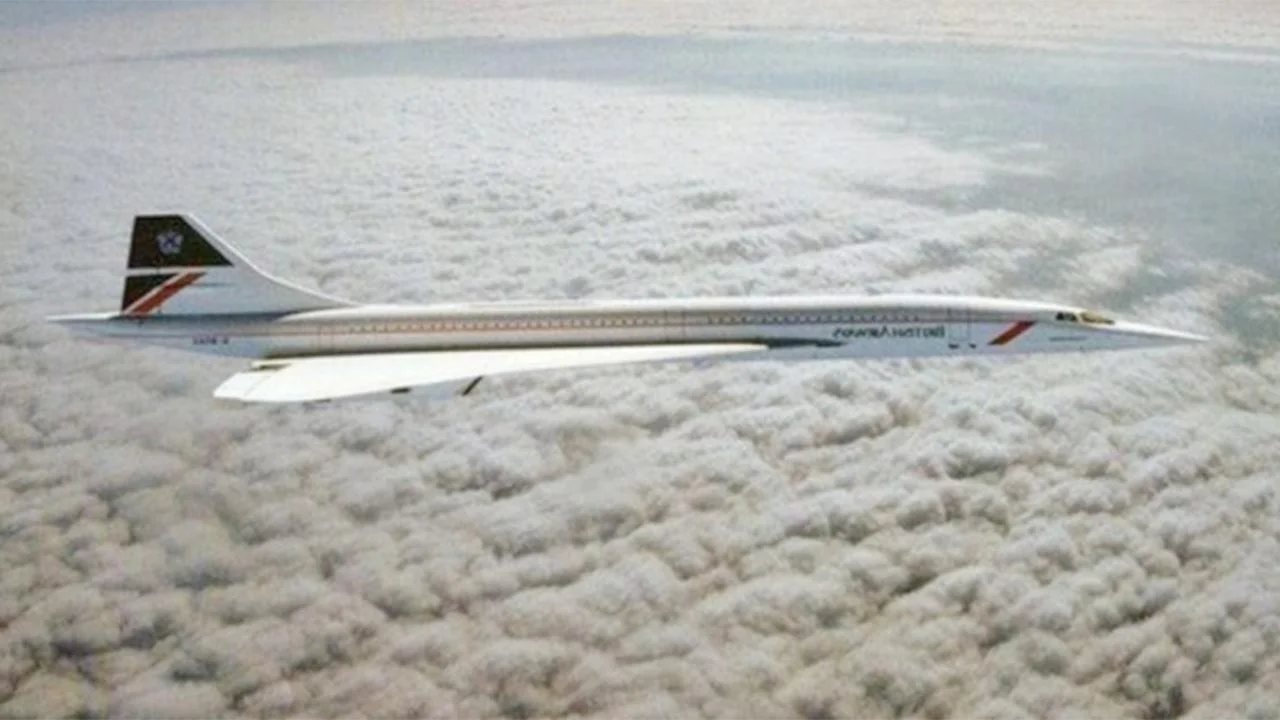
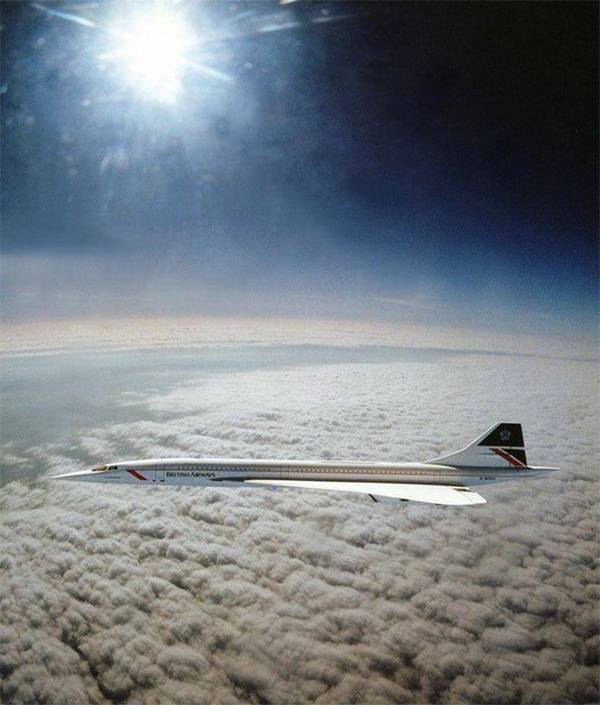
Among the many legends surrounding this supersonic jet, one stands out above the rest: the only known photograph of Concorde flying at Mach 2. This single image, taken from an RAF Tornado fighter jet, freezes a moment when commercial aviation reached its absolute peak of speed and ambition. It represents not just a technical milestone, but an era when crossing oceans in record time felt like a promise of a bold, futuristic world. This article explores the story behind that rare image, the engineering that made Mach 2 possible, and why Concorde’s legacy continues to influence aviation today.
The Concorde and the dream of supersonic travel
What made Concorde revolutionary was not just its speed, but the fact that it carried paying passengers at Mach 2, roughly 1,350 miles per hour. This required a radical delta-wing design, advanced materials capable of withstanding intense heat, and engines optimized for sustained supersonic cruise. Concorde became a global symbol of innovation, representing a future where technology could overcome almost any limitation.
The Mach 2 photograph and the RAF Tornado encounter
The famous Mach 2 photograph was captured during a carefully planned rendezvous between Concorde and an RAF Tornado fighter jet. Taking photographs at supersonic speeds was no simple task. The Tornado had to match Concorde’s altitude and velocity precisely, a feat that required extraordinary coordination and skill.
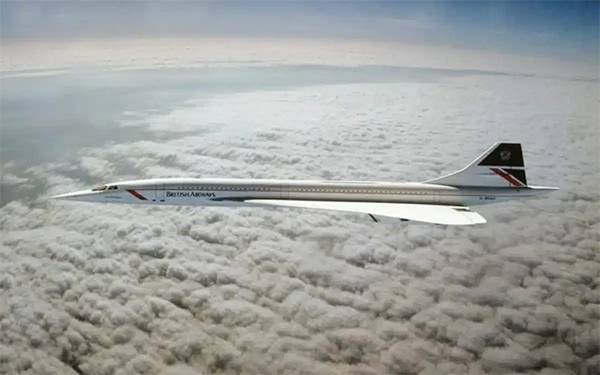
The encounter lasted only four minutes over the Irish Sea, yet it produced one of the most iconic aviation images ever taken. In the photograph, Concorde appears graceful and almost serene, despite traveling twice the speed of sound. The curvature of the Earth is visible in the background, reinforcing the sense that this aircraft was operating at the very edge of what was possible for commercial aviation. This rare image remains a powerful visual record of Concorde’s unmatched performance.
Engineering marvels behind Mach 2 flight
Flying at Mach 2 placed extreme demands on Concorde’s structure and systems. At supersonic speeds, air friction caused the aircraft’s skin to heat up dramatically, with temperatures reaching over 120 degrees Celsius. Engineers addressed this by using special aluminum alloys and designing the airframe to expand slightly during flight.
The Olympus 593 engines were another critical innovation. They provided the thrust needed for supersonic cruise while maintaining reliability for commercial service. Variable geometry intakes slowed incoming air to subsonic speeds before it reached the engines, a complex process essential for stable operation. Every aspect of Concorde’s design was optimized for high-speed efficiency, making it one of the most advanced aircraft ever built.
Luxury, prestige, and the Concorde experience
Beyond its technical achievements, Concorde was also a symbol of luxury and exclusivity. Tickets were expensive, and passengers often included business leaders, celebrities, and heads of state. The cabin, while smaller than modern wide-body jets, offered attentive service and a sense of occasion unmatched by conventional flights.
Flying faster than the Sun on westbound transatlantic routes became part of Concorde’s mystique. Passengers could depart London in the morning and arrive in New York before they had technically left. This unique experience cemented Concorde’s reputation as the pinnacle of elite air travel.
Retirement and the end of an era
Despite its success, Concorde faced challenges that ultimately led to its retirement in 2003. Rising maintenance costs, environmental concerns, limited route options, and the aftermath of the 2000 accident all contributed to the decision. When Concorde was withdrawn from service, it marked the end of supersonic passenger travel as the world had known it.
The aircraft now resides in museums, where it continues to inspire awe. For many aviation enthusiasts, the Mach 2 photograph serves as a poignant reminder of what was once achievable when ambition outweighed caution.
Concorde’s influence on the future of aviation
Although Concorde no longer flies, its influence is far from gone. Modern aerospace companies are revisiting the idea of supersonic and even hypersonic passenger travel, using new materials, quieter engines, and improved aerodynamics. Lessons learned from Concorde’s successes and limitations continue to shape these projects.
The rare image of Concorde at Mach 2 stands as a testament to human ingenuity. It reminds us that aviation progress is driven by bold ideas and relentless engineering. As the future of flight evolves, Concorde’s legacy remains a guiding force, proving that pushing boundaries can redefine what is possible.







Yorumlar
Kalan Karakter: