
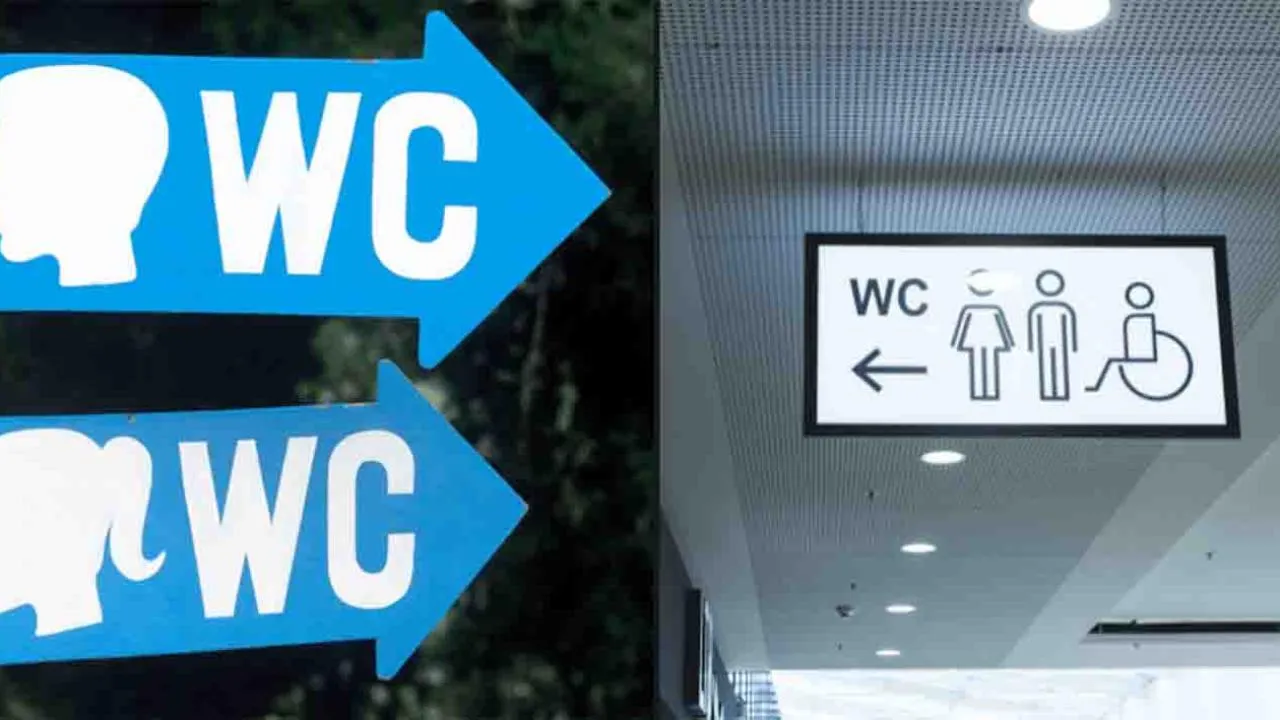
While many people recognize it as a sign for a toilet, few actually know what it stands for or why it continues to be used in modern times. This simple abbreviation carries a surprising amount of history, rooted in changes in sanitation, architecture, and language. Understanding the meaning behind “WC” not only satisfies curiosity but also reveals how societies have evolved in their approach to hygiene and public facilities. In this article, we will explore the origins of the term, how it became globally recognized, and why it still appears on signs today despite the rise of more modern terminology.
Origin of the term “WC”
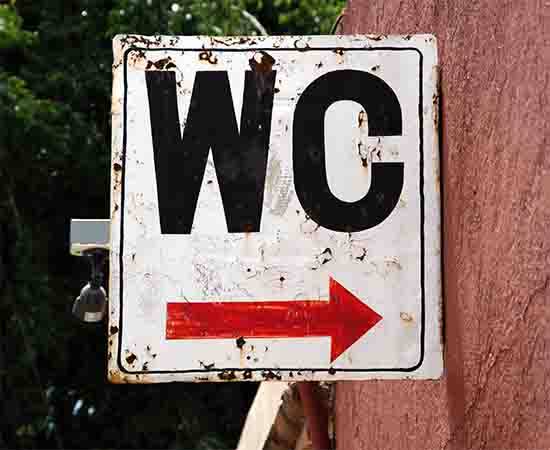
The introduction of indoor toilets marked a significant shift in living standards. These new facilities were usually placed in small enclosed rooms, or “closets,” and used water to flush waste away. Hence, the name “Water Closet” was born. Over time, the term was shortened to “WC” for convenience, especially in signage where space was limited.
Why “WC” became a universal symbol
One of the reasons “WC” became widely recognized is its neutrality across languages. Unlike words such as “bathroom,” “restroom,” or “toilet,” which vary significantly between cultures, “WC” is an abbreviation that can be easily understood regardless of native language.
During the expansion of travel and tourism in Europe, particularly in the early 20th century, standardized signage became necessary. “WC” was adopted in many countries because it avoided linguistic confusion. Even today, in parts of Europe and Asia, “WC” remains a common way to indicate a public toilet.
Differences between “WC” and modern terms
In many English-speaking countries, the term “Water Closet” has largely fallen out of everyday use. Instead, people commonly say “bathroom,” “restroom,” or simply “toilet.” Each of these terms reflects cultural preferences and social norms.
“Bathroom” is often used in homes, even if the room does not contain a bath. “Restroom” is more common in public places in the United States, offering a more polite or indirect way of referring to the facility. Meanwhile, “toilet” is widely used in British English and other parts of the world.
Despite these variations, “WC” continues to appear on signs, especially in international settings such as airports, hotels, and train stations. Its simplicity and recognizability make it a practical choice.
Cultural significance of the WC sign
The “WC” sign is more than just a functional label; it reflects cultural attitudes toward privacy and hygiene. In many societies, discussing bodily functions openly is considered impolite, which has led to the creation of euphemisms and abbreviations.
“WC” fits perfectly into this pattern. It provides a discreet way to indicate a restroom without explicitly mentioning its purpose. This subtlety has helped the term endure over time, even as language and design trends have changed.
Additionally, the continued use of “WC” in certain regions highlights the influence of historical European practices on global infrastructure and design.
Where you are most likely to see “WC” today
Although “WC” is less common in everyday conversation, it is still widely used in signage around the world. You are most likely to encounter it in:
International airports
Hotels catering to global travelers
Older buildings and historical sites
European countries such as France, Germany, and Italy
Some parts of Asia where European conventions influenced public signage
Its presence in these locations ensures that people from different linguistic backgrounds can easily identify restroom facilities.
Why the WC sign still matters
In a world that is increasingly interconnected, clear and universal communication is essential. The “WC” sign serves as a simple yet effective example of how a small abbreviation can bridge language barriers.
Even as new symbols and icons are developed, the familiarity of “WC” continues to make it relevant. It represents a blend of history, practicality, and cultural sensitivity, proving that even the most ordinary signs can have a meaningful story behind them.
Understanding the meaning of “WC” not only enriches your travel experience but also offers insight into how language and design evolve over time.







Yorumlar
Kalan Karakter: