

Packed with essential vitamins, minerals, healthy fats, and antioxidants, cashews can positively influence multiple systems in the body when consumed in moderation. From supporting heart health and stabilizing blood sugar levels to improving brain function and promoting glowing skin, cashews offer a wide range of advantages. While they are calorie-dense, research suggests that including them in a balanced diet may actually support weight management rather than hinder it. In this article, we explore what really happens to your body when you eat cashews regularly and how to incorporate them into your diet safely and effectively.
Nutritional profile of cashews
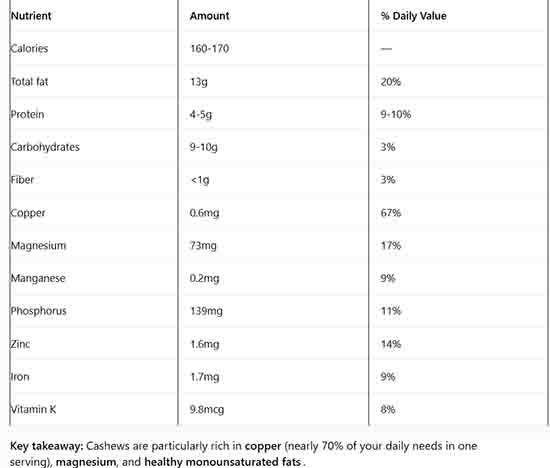
In addition, cashews contain important minerals such as magnesium, potassium, zinc, and iron. Magnesium plays a vital role in muscle and nerve function, while potassium helps regulate blood pressure. Cashews are also packed with antioxidants and B vitamins, which contribute to energy production and overall cellular health. This unique combination of nutrients makes cashews a smart addition to a balanced diet.
Effects on heart health
One of the most well-known benefits of cashews is their positive impact on heart health. Despite containing some saturated fat, the majority of fats in cashews are heart-healthy. These fats can help lower levels of LDL cholesterol, often referred to as “bad” cholesterol, while supporting overall cardiovascular function.
Cashews also provide antioxidants that help reduce oxidative stress, a key contributor to heart disease. Regular consumption may help protect blood vessels and reduce inflammation, which are important factors in preventing conditions like atherosclerosis. Additionally, the magnesium and potassium in cashews support healthy blood pressure levels, making them beneficial for maintaining a strong and healthy heart.
Impact on metabolism and blood sugar
Cashews can play a supportive role in metabolic health, particularly for individuals managing blood sugar levels. They have a relatively low glycemic impact, meaning they do not cause rapid spikes in blood glucose. This makes them a suitable snack for people with insulin resistance or type 2 diabetes.

The combination of protein, healthy fats, and fiber in cashews helps slow digestion and promotes stable energy levels. This can reduce cravings and prevent overeating. Studies have shown that including nuts like cashews in the diet may improve insulin sensitivity over time, contributing to better long-term metabolic health.
Role in weight management
Although cashews are calorie-dense, they can still support healthy weight management when eaten in appropriate portions. Their protein and fiber content promote a feeling of fullness, helping you stay satisfied for longer periods. This can reduce the likelihood of snacking on less healthy, processed foods.
Interestingly, research suggests that not all the calories in nuts are fully absorbed by the body. Some of the fat content passes through digestion, slightly lowering the total calorie intake. Replacing high-calorie, low-nutrient snacks with cashews can therefore contribute to a healthier diet and improved weight control.
Benefits for brain and nerve function
Cashews contain nutrients that are essential for brain health and proper nerve function. The healthy fats found in cashews support cognitive performance and may help improve memory over time. These fats are important for maintaining the structure of brain cells and ensuring efficient communication between neurons.
In addition, cashews provide B vitamins, which are crucial for energy production and nervous system health. Antioxidants in cashews also help protect brain cells from oxidative damage, which is linked to age-related cognitive decline. Including cashews in your diet may therefore contribute to long-term brain health.
Support for joints and inflammation
Chronic inflammation is a common factor in many health conditions, including joint pain and arthritis. Cashews contain anti-inflammatory compounds that may help reduce inflammation in the body. Regular consumption of nuts has been associated with lower levels of inflammatory markers.
The magnesium content in cashews also plays a role in maintaining healthy bones and joints. By supporting bone density and reducing inflammation, cashews may help improve overall joint health and mobility.
Effects on skin, hair, and gut health
Cashews offer several beauty and digestive benefits as well. The vitamins and antioxidants they contain help protect the skin from damage caused by free radicals. Vitamin E, in particular, supports healthy, glowing skin and may slow signs of aging.
For hair health, cashews provide protein and essential nutrients that strengthen hair strands and promote growth. Meanwhile, the fiber and plant compounds in cashews support gut health by aiding digestion and encouraging the growth of beneficial gut bacteria. A healthy gut is closely linked to improved immunity and overall well-being.
Recommended intake and portion control
While cashews are highly nutritious, moderation is key. The recommended serving size is about one ounce per day, or a small handful. Eating more than this regularly can lead to excess calorie intake, which may counteract their health benefits.
To maintain portion control, consider pre-measuring servings or buying individual snack packs. Pairing cashews with fruits or other healthy foods can create a balanced snack that provides sustained energy throughout the day.
Who should be cautious
Although cashews are safe for most people, certain individuals should exercise caution. Those with tree nut allergies should avoid cashews entirely, as allergic reactions can be severe. People prone to kidney stones may also need to limit intake due to the oxalate content in cashews.
Individuals with irritable bowel syndrome may experience digestive discomfort, as cashews are high in FODMAPs. Additionally, people taking medications for blood pressure, diabetes, or blood thinning should consult a healthcare professional before increasing their cashew consumption, as interactions may occur.
Ways to add cashews to your diet
Incorporating cashews into your meals can be both easy and delicious. They can be enjoyed on their own as a quick snack or added to salads for extra crunch and nutrition. Cashews are commonly used in stir-fries, especially in Asian cuisine, where they enhance both flavor and texture.
You can also blend cashews into creamy sauces or make cashew butter for spreading on toast or fruit. Cashew milk is another popular option for those seeking a dairy-free alternative. Their versatility makes it simple to include them in a variety of healthy recipes.
Cashews are a nutrient-dense food that offers a wide range of health benefits when consumed in moderation. From improving heart health and stabilizing blood sugar to supporting brain function and enhancing skin and gut health, these small nuts deliver powerful results. While they are not a miracle food, they can play a valuable role in a balanced, whole-food diet. By enjoying a small handful each day, you can take a simple yet effective step toward better long-term health.






Yorumlar
Kalan Karakter: