
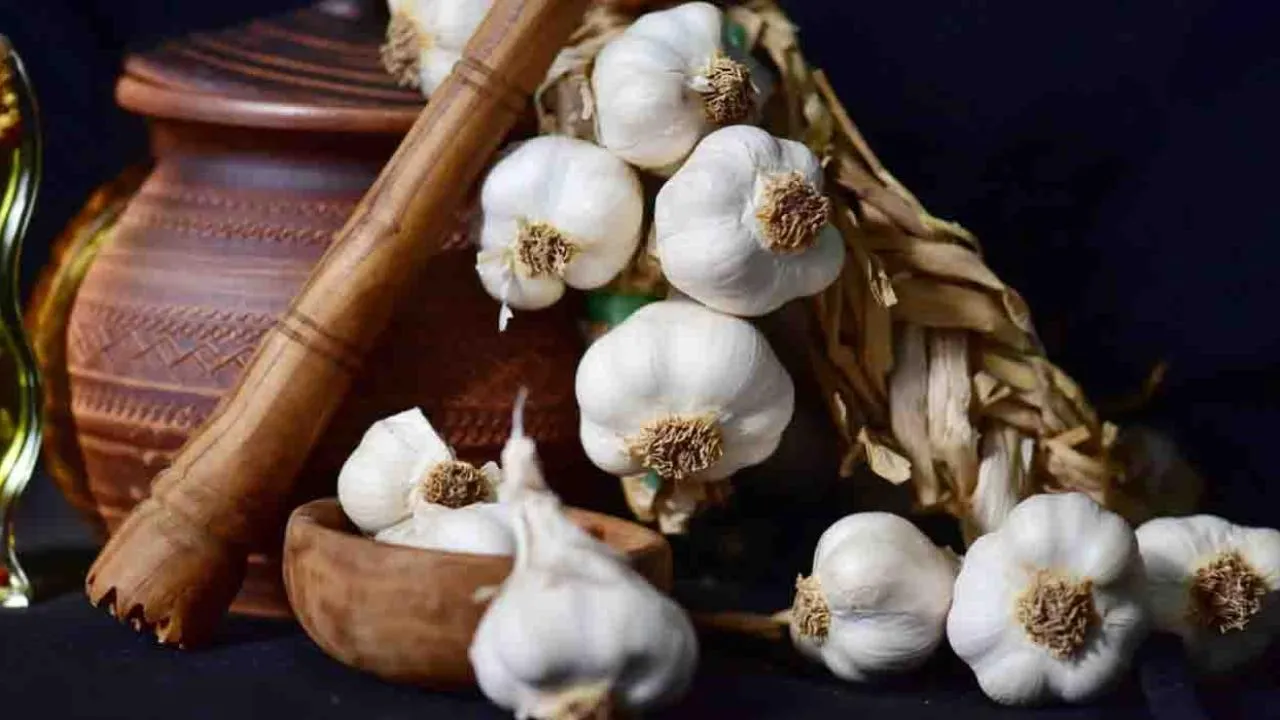
While most people enjoy it roasted, sautéed, or blended into sauces, the way garlic is prepared has a significant impact on its nutritional value. Raw garlic contains unique sulfur compounds that are largely responsible for its impressive health benefits, making it one of the most researched natural foods for cardiovascular health, immune support, and overall wellness. Although its strong taste and unmistakable aroma can be challenging, many people believe the potential benefits outweigh the inconvenience. If you're curious whether eating raw garlic every day is worth considering, understanding the science behind its active compounds, proper consumption methods, recommended amounts, and possible risks can help you make an informed decision. Here's what current research says about adding raw garlic to your daily routine.
What makes raw garlic so powerful?
The secret behind garlic's health benefits lies in a sulfur-containing compound called allicin. Interestingly, allicin is not naturally present inside an untouched garlic clove. Instead, it forms when garlic is chopped, crushed, or chewed.
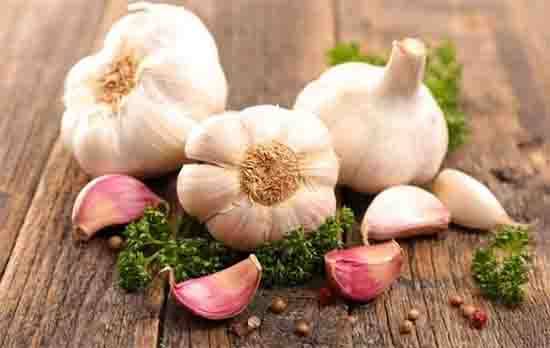
When garlic cells are damaged, an enzyme called alliinase reacts with another compound called alliin, producing allicin. This chemical reaction creates garlic's sharp aroma and spicy, burning flavor while also producing many of the biological effects that researchers have studied.
Allicin is highly unstable and sensitive to heat. Cooking, roasting, or prolonged heating significantly reduces the amount of allicin available, which is why raw garlic is often considered the best option for maximizing its potential health benefits.
How raw garlic supports heart health
One of the most well-documented benefits of raw garlic is its positive effect on cardiovascular health. Numerous clinical studies suggest that garlic may support heart function in several different ways.
Research indicates that garlic may help lower blood pressure in individuals with hypertension. Scientists believe this happens because garlic encourages the production of nitric oxide, a compound that relaxes blood vessels and improves circulation. Garlic may also reduce the activity of angiotensin-converting enzyme (ACE), which plays a role in regulating blood pressure.
Raw garlic may also help reduce the tendency of blood platelets to stick together. Less platelet aggregation means a lower likelihood of unwanted blood clot formation, an important factor in reducing the risk of heart attack and stroke.
Some studies have also reported modest reductions in LDL ("bad") cholesterol after regular garlic consumption. While garlic is not a substitute for medication or a healthy lifestyle, it may serve as a helpful addition to a balanced diet, regular physical activity, and stress management.
How raw garlic strengthens the immune system
Garlic has a long history as a traditional remedy for infections, and modern research continues to explore its immune-supporting properties.
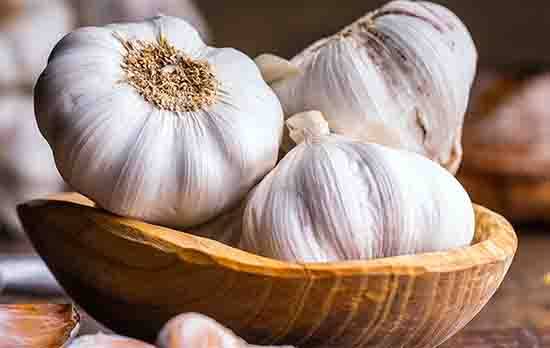
Raw garlic contains vitamin C, vitamin B6, manganese, selenium, and numerous antioxidants. These nutrients help protect cells from oxidative stress, which has been linked to aging and many chronic diseases.
Some studies suggest that people who regularly consume garlic experience fewer common colds and respiratory infections. While garlic is unlikely to cure a cold once symptoms appear, consistent consumption may help strengthen immune defenses and reduce the frequency of illness.
The antioxidant compounds found in garlic also contribute to the body's natural ability to combat inflammation and support healthy immune function over time.
Why antioxidants in garlic matter
Oxidative stress occurs when harmful free radicals outnumber the body's antioxidant defenses. Over time, this imbalance may contribute to heart disease, cognitive decline, diabetes, and other chronic health conditions.
Raw garlic contains several antioxidant compounds that help neutralize free radicals before they damage healthy cells. Researchers continue to investigate how these antioxidants may support healthy aging and protect tissues throughout the body.
Although no single food can prevent disease, including antioxidant-rich foods like garlic as part of an overall healthy eating pattern may support long-term wellness.
What research says about long-term health benefits
Scientists continue to investigate garlic's role in preventing chronic diseases. Population studies have linked higher consumption of allium vegetables—including garlic, onions, leeks, and shallots—with several potential health advantages.
Some research suggests that people who regularly eat allium vegetables may have a lower risk of developing osteoarthritis. Other studies are exploring garlic's possible role in reducing the risk of certain cancers, including prostate, lung, and colorectal cancers.
While these findings are encouraging, researchers emphasize that more high-quality clinical studies are needed before garlic can be recommended as a disease prevention treatment. Garlic should be viewed as one component of a healthy lifestyle rather than a cure-all.
How much raw garlic should you eat daily?
Most research showing health benefits has used relatively small amounts of garlic.
For most healthy adults, consuming one to two raw garlic cloves per day is generally sufficient. This amount provides beneficial compounds without greatly increasing the likelihood of digestive discomfort.
If you prefer supplements, aged garlic extract has been extensively studied and may offer some benefits with fewer digestive side effects. However, choosing supplements that have been independently tested for quality is important.
The best way to prepare raw garlic
A simple preparation technique can help maximize garlic's beneficial compounds.
After crushing or chopping a garlic clove, allow it to rest for about 10 minutes before eating or adding it to food. This resting period gives the enzyme reaction enough time to produce more allicin before heat or stomach acid begins to reduce its activity.
Many people find raw garlic easier to enjoy by mixing it into foods rather than eating whole cloves.
Popular options include:
- Mixing finely minced garlic into homemade salad dressing with olive oil and lemon juice.
- Adding grated garlic to fresh guacamole, hummus, or tzatziki.
- Rubbing a cut garlic clove onto warm toasted bread.
- Stirring raw garlic into yogurt-based dips after cooking is complete.
These methods help reduce the intense flavor while preserving many of garlic's beneficial compounds.
Possible side effects and precautions
Despite its impressive nutritional profile, raw garlic is not suitable for everyone.
Its strong compounds can irritate the digestive tract, especially in people with acid reflux, GERD, stomach ulcers, or sensitive digestion. Heartburn, bloating, stomach pain, and nausea are possible side effects.
Garlic also has mild blood-thinning properties. Individuals taking anticoagulant medications such as warfarin or certain antiplatelet drugs should consult their healthcare provider before significantly increasing garlic intake. The same precaution applies to anyone preparing for surgery.
Although rare, consuming extremely large amounts of raw garlic may cause toxicity or serious digestive irritation. Moderation remains the safest approach.
Should you eat raw garlic every day?
For many healthy adults, adding one or two cloves of raw garlic to a balanced diet may provide valuable nutritional benefits. Research suggests it can support heart health, contribute to healthy blood pressure, strengthen immune function, and supply antioxidants that protect cells from oxidative stress.
However, raw garlic is not a replacement for medical treatment, prescription medications, or healthy lifestyle habits. It works best alongside regular exercise, a nutrient-rich diet, adequate sleep, and routine medical care.
If you have digestive disorders, take blood-thinning medication, or have an upcoming surgical procedure, speak with your healthcare provider before making raw garlic a daily habit. Used appropriately, this humble kitchen staple can be a simple and flavorful way to support your long-term health.





Yorumlar
Kalan Karakter: