

While regular eye exams and proper medical care are essential for maintaining healthy eyesight, the foods you eat every day can also play an important role in protecting your vision over time. Fruits are packed with vitamins, minerals, antioxidants, and plant compounds that help defend the eyes against oxidative stress, inflammation, and age-related damage. Nutrients such as vitamin C, vitamin A, beta-carotene, lutein, zeaxanthin, and anthocyanins are especially important for supporting healthy eyes. Although no single fruit can prevent or cure eye diseases, regularly including a variety of colorful fruits in your diet may contribute to long-term eye health. Here are six delicious fruits that stand out for their impressive nutritional benefits and their potential to help keep your eyes healthy.
Blueberries are packed with powerful antioxidants
Blueberries are often considered one of the healthiest fruits you can eat, thanks to their high concentration of antioxidants known as anthocyanins. These natural pigments give blueberries their deep blue color while helping protect cells from oxidative damage.

Oxidative stress has been linked to several age-related eye conditions, including cataracts and age-related macular degeneration (AMD). By helping neutralize harmful free radicals, blueberries may contribute to maintaining healthy eye tissues.
Blueberries also provide vitamin C, which supports the health of blood vessels in the eyes and contributes to collagen production. Healthy collagen is important for maintaining the structure of the cornea and other eye tissues.
Fresh blueberries are easy to add to smoothies, yogurt, oatmeal, fruit salads, or simply enjoy as a nutritious snack.
Oranges provide vitamin C for eye protection
Oranges are among the best natural sources of vitamin C, an essential nutrient that supports healthy vision in several ways.

Vitamin C functions as a powerful antioxidant, helping protect the delicate tissues of the eyes from free radical damage caused by sunlight, pollution, and normal aging. It also helps maintain healthy blood vessels, ensuring that oxygen and nutrients continue reaching important eye structures.
Research suggests that diets rich in vitamin C may help reduce the risk of cataracts as people age. While oranges alone cannot prevent eye disease, regularly consuming vitamin C-rich fruits may support long-term eye health.
Other citrus fruits such as grapefruit, lemons, mandarins, and tangerines also provide similar nutritional benefits.
Papaya supports healthy vision with vitamin A
Papaya is an excellent tropical fruit for eye health because it contains beta-carotene, which the body converts into vitamin A. Vitamin A plays a critical role in maintaining normal vision, especially in low-light conditions. It also supports the cornea, the clear outer layer of the eye, and helps keep the eye surface properly lubricated.

Papaya also supplies vitamin C, vitamin E, folate, and fiber, making it an excellent addition to a balanced diet. The combination of antioxidants found in papaya may help protect eye cells from oxidative stress while supporting overall wellness.
Enjoy fresh papaya on its own or blend it into smoothies for a naturally sweet and nutritious breakfast.
Kiwi delivers nutrients that support eye function
Although small in size, kiwi is packed with nutrients that benefit eye health. A single kiwi provides an impressive amount of vitamin C, along with vitamin E and several antioxidant compounds. These nutrients work together to help protect eye cells from damage caused by oxidative stress.
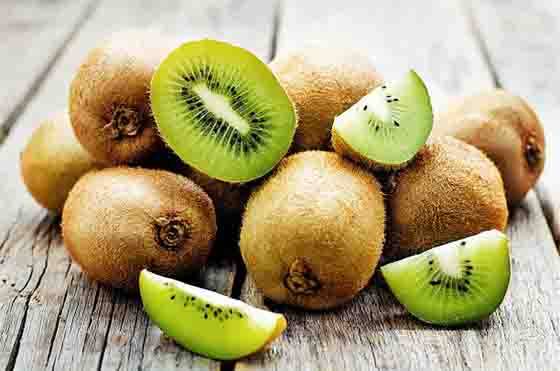
Kiwi also contains lutein and zeaxanthin in smaller amounts. These carotenoids accumulate naturally in the retina, where they help filter harmful blue light and protect sensitive eye tissues.
Adding kiwi to fruit salads, yogurt, or smoothies is an easy way to increase your intake of eye-supporting nutrients throughout the day.
Mango contains beta-carotene and vitamin A
Mango is another colorful fruit that supports healthy eyesight thanks to its high beta-carotene content. Beta-carotene serves as a precursor to vitamin A, which is essential for healthy retinal function. Adequate vitamin A intake helps the retina convert light into signals that the brain interprets as vision.
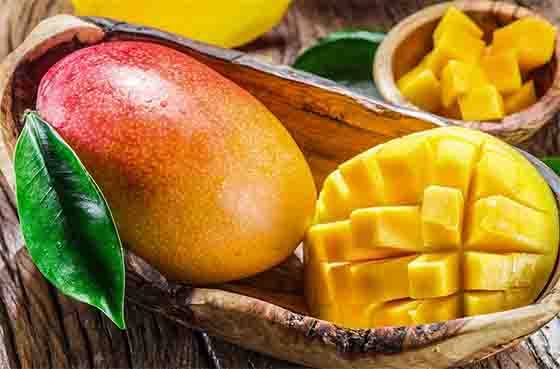
Mangoes also provide vitamin C, vitamin E, and beneficial antioxidants that help protect eye tissues from oxidative stress.
Because mangoes are naturally sweet, they make an excellent healthy dessert while providing nutrients that contribute to both eye and immune health.
Goji berries are known for their eye-supporting carotenoids
Goji berries have gained popularity as a superfood, and one reason is their impressive concentration of carotenoids, particularly zeaxanthin.
Zeaxanthin is one of the main pigments found in the macula, the central part of the retina responsible for sharp, detailed vision. Researchers believe diets rich in zeaxanthin may help protect the macula from damage associated with aging.

Goji berries also contain vitamin C, vitamin A, fiber, and various antioxidant compounds that support overall health. They can be eaten dried as a snack, added to oatmeal, mixed into trail mix, or soaked before adding to smoothies and cereals.
Nutrients that matter most for eye health
Many fruits support healthy eyesight because they contain nutrients that protect different parts of the eye.
Vitamin A helps maintain normal vision, especially in dim lighting, while supporting the health of the cornea. Vitamin C protects eye tissues from oxidative damage and contributes to healthy blood vessels. Vitamin E works alongside vitamin C to defend cells against free radicals.
Carotenoids such as lutein and zeaxanthin accumulate in the retina, where they help filter harmful blue light and may reduce oxidative stress. Anthocyanins found in deeply colored fruits like blueberries provide additional antioxidant protection.
Eating a wide variety of colorful fruits helps ensure your body receives these beneficial nutrients in natural combinations.
Healthy habits that protect your eyesight
While eating nutritious fruits is an excellent step toward maintaining healthy eyes, other lifestyle habits are equally important.
Schedule regular comprehensive eye exams, especially as you get older or if you have a family history of eye disease. Wear sunglasses that block both UVA and UVB rays to protect your eyes from excessive ultraviolet exposure.
If you spend long hours using digital devices, follow the 20-20-20 rule by looking at something 20 feet away for 20 seconds every 20 minutes. Staying physically active, managing blood pressure and blood sugar, getting adequate sleep, and avoiding smoking also support long-term eye health.
A balanced diet that includes vegetables, whole grains, healthy fats, lean proteins, and nutrient-rich fruits offers the best nutritional foundation for healthy vision.
Why these fruits deserve a place in your diet
Maintaining healthy eyesight requires a combination of good nutrition, healthy lifestyle habits, and regular eye care. Blueberries, oranges, papaya, kiwi, mango, and goji berries each provide unique vitamins, antioxidants, and plant compounds that may help support eye health and protect vision over time.
Although these fruits are not a cure for eye diseases, incorporating them into a balanced diet is a simple and delicious way to increase your intake of nutrients associated with healthy vision. By enjoying a colorful variety of fruits every day, you can support not only your eyes but also your overall health and well-being for years to come.







Yorumlar
Kalan Karakter: