
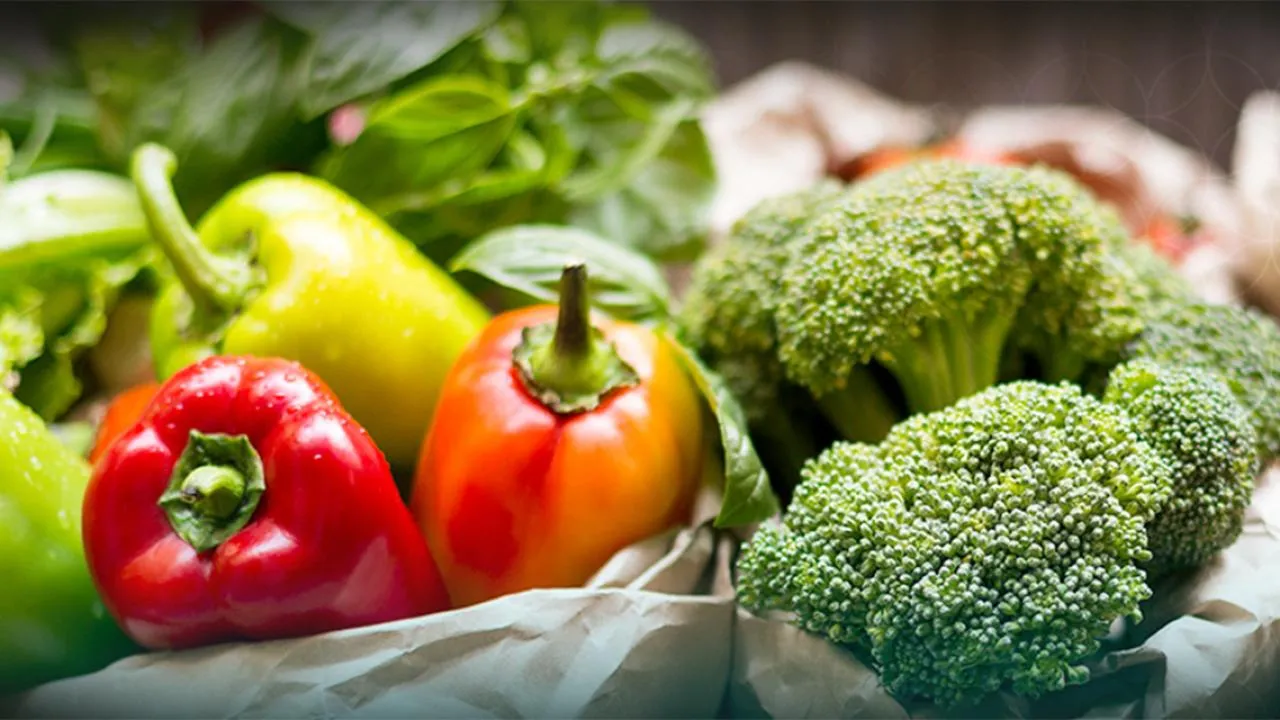
From salads and smoothies to soups and side dishes, vegetables are often considered some of the safest and most nutritious foods available. However, food safety experts remind consumers that even healthy foods can carry hidden risks when proper cleaning and handling practices are overlooked.
Recent research examining fresh produce has highlighted the possibility of parasite contamination on certain vegetables, particularly those with complex surfaces and close contact with soil. While the findings may sound concerning, experts emphasize that consumers should not stop eating vegetables. Instead, they should focus on proper washing, storage, and preparation techniques. Understanding how contamination occurs and which vegetables may require extra attention can help reduce risks while preserving the many health benefits that vegetables provide. This article explores the factors behind parasite contamination, why some vegetables are more vulnerable, and the practical steps consumers can take to enjoy fresh produce safely.
Understanding parasite contamination in vegetables
Parasites are organisms that live on or inside another living organism and may cause health problems in humans. In the context of fresh produce, parasite eggs or microscopic forms of parasites can sometimes contaminate vegetables during growing, harvesting, transportation, or storage.
Contamination may occur when crops are exposed to polluted irrigation water, untreated animal manure, contaminated soil, or poor hygiene practices during handling. Because many vegetables are eaten raw, any contaminants present on their surfaces may remain unless they are properly cleaned before consumption.
Although severe infections are relatively uncommon in many developed countries, food safety authorities continue to monitor fresh produce because contaminated vegetables can occasionally contribute to outbreaks of foodborne illness.
Exploring why celery receives special attention
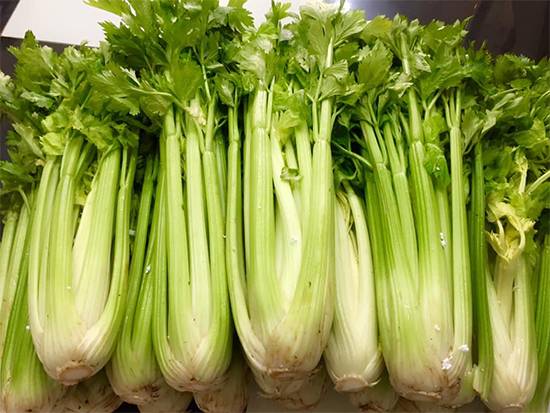
Among vegetables studied for contamination risks, celery is often highlighted because of its structure and growing conditions. Celery stalks contain multiple layers, grooves, and tightly packed sections that can trap dirt, moisture, and microscopic contaminants.
Its close contact with soil during cultivation further increases the possibility of exposure to parasite eggs and other microorganisms. Even after harvesting, particles can remain hidden within the plant's natural crevices if washing is not thorough.
This does not mean celery is unsafe to eat. Rather, it demonstrates why certain vegetables require extra care during preparation. Proper cleaning can significantly reduce contamination risks while allowing consumers to enjoy celery's nutritional benefits.
Identifying vegetables that may carry higher contamination risks
Celery is not the only vegetable that may harbor contaminants. Several types of produce share characteristics that make them more vulnerable to carrying parasites and bacteria.
Leafy greens such as lettuce, spinach, kale, and cabbage have numerous folds and layers where contaminants can become trapped. Fresh herbs including parsley, cilantro, and mint may also collect particles because of their delicate leaves and intricate structures.
Root vegetables grown directly in soil can retain dirt and microorganisms on their surfaces if not thoroughly scrubbed. Vegetables that are commonly eaten raw deserve particular attention because cooking, which can eliminate many harmful organisms, is not part of their preparation process.
Recognizing the potential health effects of parasites
Most people who consume properly washed vegetables never experience problems. However, if parasites are present and ingested, symptoms may vary depending on the type of organism involved.
Some parasitic infections primarily affect the digestive system and can cause symptoms such as abdominal discomfort, nausea, diarrhea, bloating, or fatigue. In rare cases, untreated infections may lead to more serious complications.
It is important to remember that parasite contamination is only one of several food safety concerns associated with fresh produce. Bacteria, viruses, and other microorganisms can also be present if proper hygiene practices are not followed throughout the food supply chain.
Appreciating the nutritional value of celery
Despite concerns about contamination, nutrition experts continue to recommend celery as part of a balanced diet. Celery provides a variety of beneficial nutrients while remaining low in calories.
It contains dietary fiber, which supports digestive health and helps promote feelings of fullness. Celery also provides vitamin C, potassium, antioxidants, and water, making it a hydrating food choice.
Many individuals include celery in weight management plans, heart-healthy diets, and meal plans focused on increasing vegetable intake. The goal is not to avoid celery but to prepare it safely before eating.
Learning the best ways to clean fresh vegetables
Proper cleaning is one of the most effective ways to reduce contamination risks. Food safety specialists recommend washing vegetables under clean running water before eating, cutting, or cooking them.
For celery and leafy vegetables, separating stalks or leaves can help expose hidden areas where dirt may accumulate. Gently rubbing surfaces while rinsing can improve cleaning effectiveness.
Some consumers choose to soak vegetables briefly in water or use diluted vinegar or baking soda solutions when appropriate. After washing, produce should be rinsed thoroughly with clean water. Clean cutting boards, knives, and storage containers also play an important role in preventing cross-contamination.
Following food safety habits for raw vegetables
Safe food handling extends beyond washing alone. Consumers should refrigerate perishable vegetables promptly and avoid storing produce in unsanitary conditions.
Hands should be washed thoroughly before handling food, and separate preparation areas should be used for raw meats and fresh vegetables whenever possible. These practices help reduce the risk of transferring harmful microorganisms from one food item to another.
Cooking vegetables can provide an additional layer of protection because heat destroys many parasites, bacteria, and viruses. While many vegetables are enjoyed raw, incorporating cooked vegetables into the diet can help diversify meal options and improve food safety.
Making informed choices about fresh produce
News about parasite contamination can sound alarming, but experts agree that vegetables remain among the healthiest foods people can eat. The key message is not to eliminate vegetables from the diet but to understand how to handle them safely.
Fresh produce delivers essential nutrients that support immunity, digestion, heart health, and overall wellness. By selecting quality vegetables, washing them carefully, storing them properly, and practicing good kitchen hygiene, consumers can significantly reduce contamination risks.
Awareness and proper preparation are the most effective tools for protecting health. With simple food safety habits, individuals can continue enjoying celery, leafy greens, herbs, and other nutritious vegetables while minimizing concerns about hidden contaminants.





Yorumlar
Kalan Karakter: