
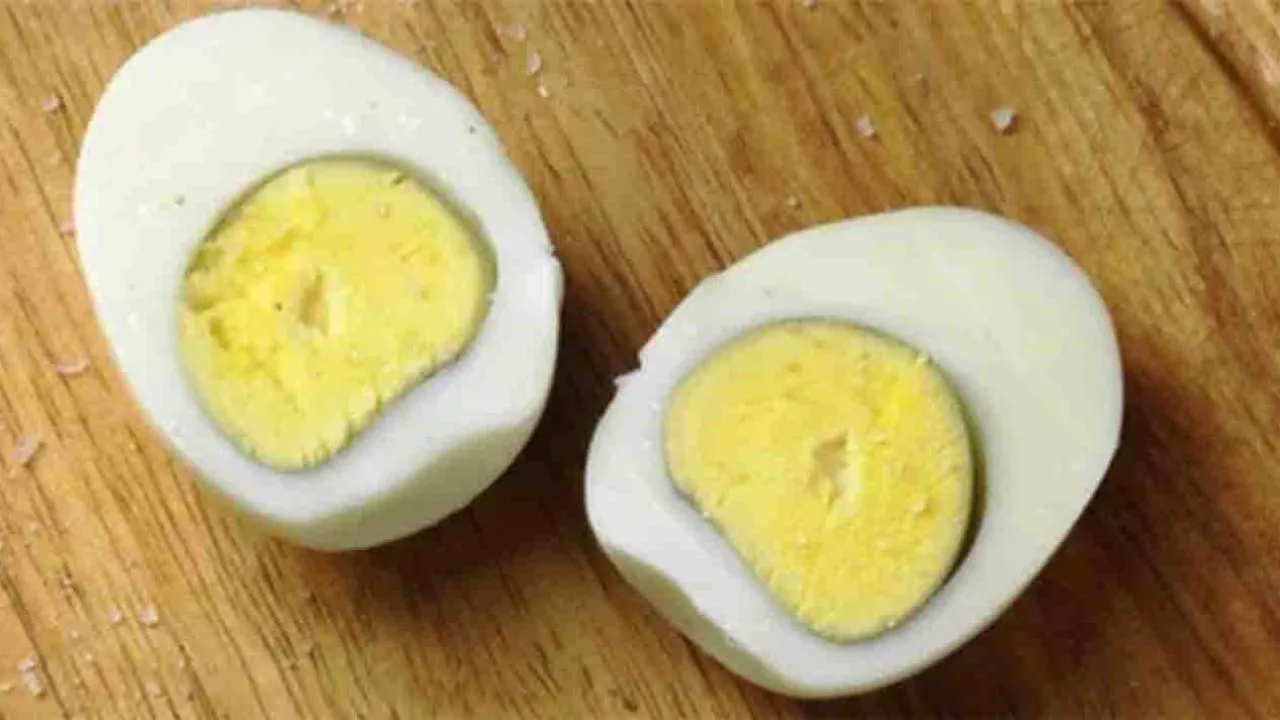
While it may look strange or even concerning, this common kitchen occurrence is actually harmless and rooted in simple chemistry. Many people assume the discoloration signals spoilage, but in reality, it is a result of how the egg was cooked. Understanding why this green ring forms can help you improve your cooking technique and ensure your eggs turn out perfectly every time. In this article, we will explore the science behind the green ring, explain what causes it, and share practical tips to prevent it. Whether you are preparing eggs for breakfast, salads, or meal prep, mastering this small detail can make a noticeable difference in both appearance and taste.
What causes the green ring on egg yolks
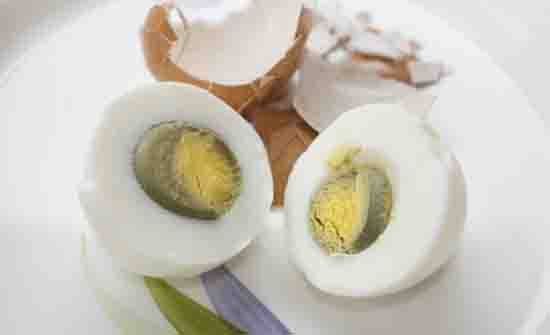
Iron sulfide is the compound responsible for the greenish discoloration. This reaction occurs at the surface where the yolk and white meet, which is why the ring appears as a thin layer around the yolk rather than throughout the entire egg.
How overcooking leads to discoloration
Overcooking is the primary reason this reaction becomes visible. When eggs are exposed to high heat for extended periods, more sulfur is released from the egg white. This increases the likelihood of it reacting with iron in the yolk.
Additionally, prolonged cooking causes the yolk to become dry and chalky, further enhancing the visibility of the green ring. Even a few extra minutes in boiling water can make a noticeable difference in the final appearance of the egg.
Temperature control plays a crucial role as well. Rapid boiling at high heat accelerates the chemical reaction, making the green ring more pronounced.
Is the green ring safe to eat
Despite its unusual appearance, the green ring around hard-boiled eggs is completely safe to eat. It does not indicate spoilage, contamination, or any health risk. The taste may be slightly affected, often described as a bit more sulfurous, but the egg remains perfectly edible.
In fact, many people consume overcooked eggs regularly without any issues. The discoloration is purely cosmetic, though it may be less appealing when serving eggs in dishes where presentation matters, such as deviled eggs or salads.
How to prevent the green ring from forming
Preventing the green ring is simple once you understand the cause. The key is to avoid overcooking and to cool the eggs quickly after boiling.
Start by placing eggs in a pot of cold water, then bring the water to a gentle boil. Once boiling, reduce the heat and let the eggs simmer rather than boil vigorously. Cooking them for about 9 to 12 minutes, depending on size, is usually sufficient for fully set yolks.
After cooking, immediately transfer the eggs to an ice bath or run them under cold water. Rapid cooling stops the cooking process and prevents further chemical reactions from occurring.
Using slightly older eggs can also help, as they tend to peel more easily and cook more evenly.
The role of egg freshness and cooking methods
Egg freshness can influence how noticeable the green ring becomes, though it is not the primary cause. Fresher eggs contain more moisture and may require slightly different cooking times to achieve the desired texture.
Alternative cooking methods, such as steaming or using an electric egg cooker, can also reduce the chances of overcooking. These methods provide better temperature control, helping to avoid the conditions that lead to the formation of iron sulfide.
Some cooks also prefer to turn off the heat once the water reaches a boil and let the eggs sit in hot water for a set period. This gentler approach minimizes the risk of discoloration.
Why proper cooking improves taste and texture
Avoiding the green ring is not just about appearance. Properly cooked eggs have a creamier yolk, a more pleasant texture, and a milder flavor. Overcooked eggs, on the other hand, can become rubbery in the whites and crumbly in the yolks.
By mastering the right cooking technique, you enhance both the visual appeal and the eating experience. This is especially important for recipes where eggs are the star ingredient.
Simple tips for perfect hard-boiled eggs every time
Achieving perfect hard-boiled eggs consistently comes down to a few simple practices. Use moderate heat, avoid prolonged boiling, and cool the eggs quickly after cooking. Timing is essential, so keeping track of cooking duration can make a big difference.
Peeling eggs under running water can also help remove shells more easily, especially when they have been properly cooled. With a little attention to detail, you can eliminate the green ring and enjoy eggs that look as good as they taste.
By understanding the science behind this common kitchen issue, you can confidently prepare hard-boiled eggs without worry. The green ring may be harmless, but with the right techniques, it is entirely avoidable, allowing you to serve eggs that are both visually appealing and delicious.





Yorumlar
Kalan Karakter: