
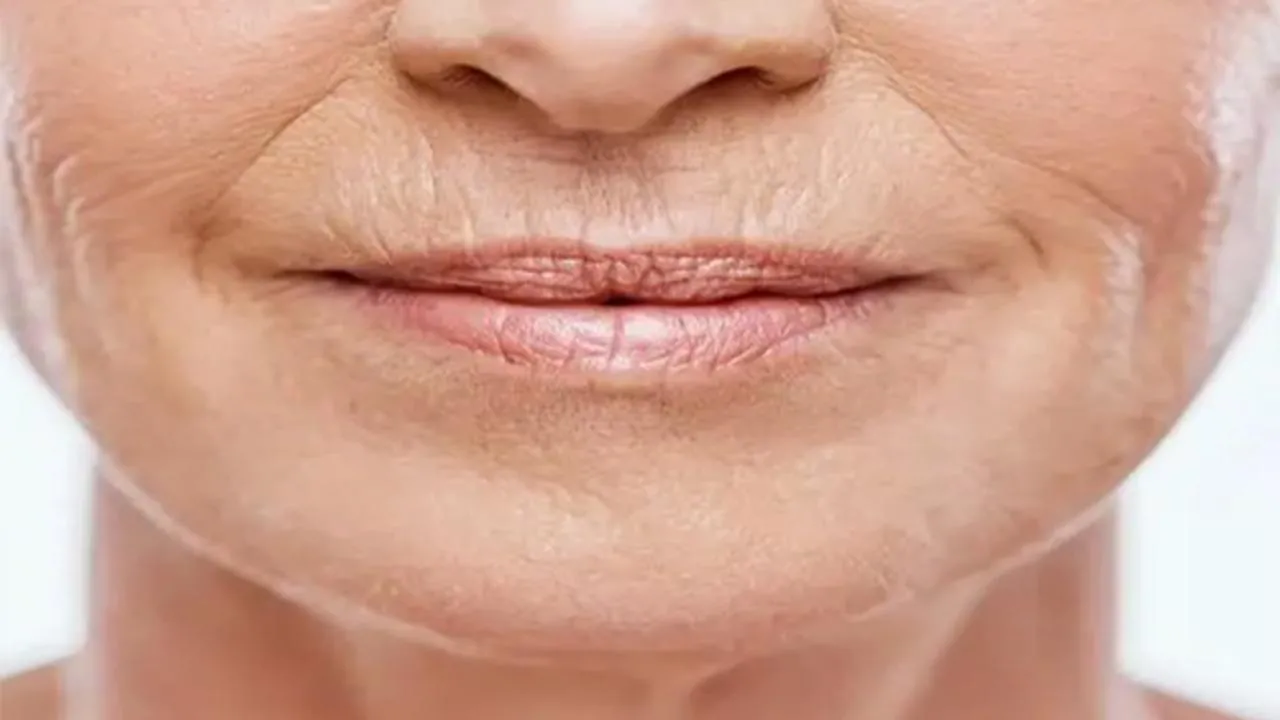
Instead of dramatic transformations, most people experience a series of small physical, emotional, and mental changes that gradually become more noticeable over time. Many of these subtle signs of aging can easily be mistaken for normal tiredness, stress, or temporary discomfort. However, recognizing these early changes can help families and caregivers provide better support while encouraging healthy habits that improve quality of life. Paying attention to shifts in appetite, energy levels, memory, healing, and circulation does not mean expecting the worst. Rather, it offers an opportunity to understand what an older loved one may be experiencing and to respond with patience, compassion, and practical care. By learning to recognize these warning signs, you can help promote healthy aging, independence, and overall well-being.
Changes in appetite or unexplained weight loss
One of the earliest signs of aging often appears through changes in eating habits. An older adult who once enjoyed preparing meals may suddenly lose interest in cooking or begin eating much smaller portions. Over time, this can lead to noticeable weight loss, reduced muscle mass, and lower energy levels.
Several factors may contribute to a reduced appetite. As people age, the senses of taste and smell naturally become less sensitive, making food seem less flavorful. Certain medications, particularly those prescribed for high blood pressure or cholesterol, may also affect appetite. Dental issues, digestive discomfort, or difficulty chewing can further discourage regular meals.
Social factors are equally important. Older adults who live alone may find little motivation to prepare balanced meals just for themselves. Loneliness and isolation often reduce the enjoyment of eating, leading to poor nutrition.
Encouraging shared meals, preparing healthy foods together, or delivering nutritious homemade dishes can help restore both appetite and social connection. Maintaining proper nutrition supports muscle strength, immune function, and overall health during the aging process.
Persistent fatigue and declining energy
Feeling tired after a busy day is perfectly normal, but ongoing fatigue that lasts for weeks or months deserves closer attention. Many older adults gradually reduce their daily activities because even simple tasks begin to feel physically demanding.
The aging body naturally becomes less efficient at delivering oxygen and nutrients throughout the body. Changes in heart function, lung capacity, and muscle strength all contribute to lower stamina. Persistent fatigue may also be associated with medical conditions such as anemia, thyroid disorders, heart disease, sleep problems, or depression.
Sometimes emotional well-being plays a major role. People who become socially isolated often lose motivation to stay active, creating a cycle where inactivity leads to even greater weakness and exhaustion.
Encouraging gentle exercise, regular walks, adequate sleep, and routine medical checkups can help identify underlying causes while improving overall energy. Even small daily activities can preserve mobility and support healthy aging.
Emotional withdrawal and memory changes
Memory lapses occasionally happen to everyone, but gradual emotional withdrawal combined with increasing forgetfulness may signal a more significant change. An older loved one may stop participating in conversations, avoid social gatherings, or lose interest in hobbies they once enjoyed.
Memory concerns may include repeatedly asking the same questions, forgetting appointments, misplacing everyday objects, or struggling to find familiar words. While mild forgetfulness can be a normal part of aging, persistent cognitive changes should not be ignored.
Depression, medication side effects, vitamin deficiencies, sleep disorders, and other treatable conditions can sometimes produce symptoms similar to dementia. For this reason, professional evaluation is important whenever memory problems interfere with daily life.
Family members can provide meaningful support by remaining patient during conversations, allowing extra time for responses, and avoiding unnecessary corrections. Maintaining social interaction, mental stimulation, and emotional support may help preserve cognitive function and reduce feelings of isolation.
Slower healing and frequent illnesses
Many people notice that cuts, bruises, or minor injuries seem to heal more slowly with age. This change occurs because aging affects both skin structure and immune system function. The skin becomes thinner, blood circulation slows, and the body's repair processes become less efficient.
Older adults may also experience longer recovery times after common illnesses such as colds or seasonal infections. A weakened immune response makes it more difficult for the body to fight viruses and repair damaged tissue.
Proper hydration, balanced nutrition, adequate protein intake, and good wound care play essential roles in supporting healing. Regular physical activity also improves circulation, helping oxygen and nutrients reach injured tissues more effectively.
Caregivers should monitor slow-healing wounds carefully, especially for individuals with diabetes or circulation problems, since delayed healing may increase the risk of infection. Seeking medical advice when wounds fail to improve is an important step in preventing complications.
Changes in circulation and breathing patterns
Another subtle sign of aging involves circulation and breathing. Older adults often complain of cold hands or feet, even when the room feels comfortable to everyone else. Reduced circulation can make it more difficult for the body to maintain a comfortable temperature.
Breathing patterns may also change gradually. Some people develop shallower breathing or become short of breath during activities they previously completed without difficulty. While these changes may reflect normal aging, they can also indicate heart or lung conditions that require medical evaluation.
Warning signs such as dizziness, chest discomfort, blue lips or fingernails, severe shortness of breath, or sudden weakness should never be ignored, as they may require immediate medical attention.
Simple lifestyle habits can support healthy circulation, including staying physically active, avoiding long periods of sitting, drinking enough water, dressing appropriately for the weather, and managing chronic health conditions under medical supervision.
Supporting healthy aging with compassion
Recognizing the subtle signs of aging is not about viewing older adults as fragile or helpless. Instead, it allows families and caregivers to better understand the natural changes that accompany later life while responding with empathy and practical support.
Healthy aging involves much more than treating medical conditions. Good nutrition, regular physical activity, meaningful social relationships, mental stimulation, preventive healthcare, and emotional well-being all contribute to maintaining independence and quality of life. Small daily actions, such as sharing meals, spending time together, encouraging gentle exercise, and listening patiently, often make a significant difference.
Growing older is a normal stage of life, not a disease. By recognizing these early signs and responding with care rather than concern alone, families can help older loved ones remain healthier, more confident, and more connected for years to come.





Yorumlar
Kalan Karakter: